Showing posts with label Thyroid. Show all posts

Tuesday, November 22, 2016

Iodine for Health - Life Enthusiast - Alternative Health

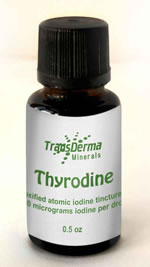
Thyrodine: https://www.life-enthusiast.com/shop/transderma-thyrodine/?ref=55


A full functioning thyroid system is very important in heart health too. We prefer and use this iodine brand.  Sometimes Lugol's is used, if in a pinch.

However, it is important to use iodine with selenium and L-Tyrosine. Using it along with a full vitamin and colloidal mineral supplement is the best.

And keep in mind the Adrenals can also be fatigued. Diabetes can also be present along with hypothyroidism. The Adrenal Reset Summit talked about this.

Thyrodine: https://www.life-enthusiast.com/shop/transderma-thyrodine/?ref=55

Selenium in bulk:  BIOSEL 5000 L-SELENOMETHIONINE - 1-800-282-3982 or email info@parchem.com!

https://www.parchem.com/getpdf-BioSel-5000-L-Selenomethionine-000626.aspx

L-Tyrosine (in bulk and gelatin capsules):  gel caps: http://amzn.to/2gzY95K or bulk powder: http://amzn.to/2gk1Ido

Best to buy in bulk, due to the ongoing contamination and compromised fancy supplements companies, because in one way or another, all have compromised on some products, and some products may be okay.


Wednesday, July 29, 2015

4 Things You Can Do To Support Thyroid Health

29th July 2015

By Dr. Edward F. Group

Guest Writer for Wake Up World

The thyroid is responsible for secreting hormones and keeping your energy levels right where they should be; basically, it acts as the “leader” of the endocrine system. So, it goes without saying, if you keep your thyroid healthy, your body will thank you. But, remember the thyroid is vulnerable to environmental toxins like BPA and pesticides, among other nasties.

Read more...


High Quality Iodine Supplement - Detoxadine

Thursday, January 15, 2015

How Do You Know When You Need More Iodine?

Here is the short list:
  • cold feet and hands, especially in the evening
  • lackluster hair, thinning, and brittle or dry
  • thinning eyebrows, especially the outer third
  • dry skin, especially on heels (cracking and splitting)
  • weight gain, or inability to lose weight even on starvation diet
  • chronic fatigue, low energy
  • sweet cravings, bread or starch or dessert cravings
The main function of Iodine is to balance your endocrine (hormone regulating) system -especially your thyroid gland – resulting in a greater ability to manage your emotional states. This is more obvious in women because of different hormonal dynamics.

Iodine’s secondary function is to regulate reproductive organs:

ovaries and breasts in women… prostate in men.

It seems like so many of my middle-aged girlfriends have a sluggish thyroid and they feel so very tired and easily gain weight – more so than what’s “normal” for middle-age.

Most see their doctor and get their thyroid tested, and everything comes back “normal, within range”. The problem is with the test! It does not measure results …

Iodine Deficiency is Common and Can Be Terribly Harmful!

You Do Not Get Enough Iodine…

Iodine is a trace mineral that is essential for normal growth and development. Seventy to 80% of iodine is found in the thyroid gland – in your neck. The rest is distributed throughout your body, particularly in ovaries (women), muscles, and blood.

Your thyroid gland is the only organ that stores significant quantities of iodine.

Your body produces NO iodine, so you must supplement (unless you are eating a lot of sea weed, and use more sea weed as compost on your vegetable garden).

In America, you cannot get enough iodine from your diet. It used to be added to bread but not anymore.  It’s added to salt, but the amount has been lowered over the years.

We know from clinical studies that few people have anywhere near enough iodine in their body for their thyroid to function optimally.

Three disturbing trends initiated in the 20th century made this collective deficiency inevitable:

1. The introduction of chlorine use in drinking water, in pools, and as a ubiquitous cleaning agent (Clorox, Lysol). Iodine is displaced or deactivated by chlorine, bromine and fluoride.
2.  Alteration of the Western diet that reduces natural food sources of iodine (sea weed, dulse, etc.)
3. Farming practices designed to increase crop yield, leading to reduced iodine content in many foods.

Naturally occurring iodine is found in kelp, dulse, nori, hijiki, wakame, arame, kombu and seafood.

Iodine Supplementation for Thyroid Health is Easy


Thyrodine

Non-toxic, Highly Absorbable and Effective

Help Balance Emotions

Regulate Reproductive Organs

This is nascent iodine, or detoxified atomic iodine, made to the specification introduced by Edgar Cayce.

Unlike the common Lugol’s solution of molecular iodine and potassium iodide, our atomic iodine is not toxic even at high dose.

Protects against damage from radiation, stress and aging.


Benefits of Iodine Supplementation with Thyrodine

Better energy management, endurance
Reduced joint and muscle pains
Improved elasticity of muscles and tendons
Faster healing and repair from injuries
More resilient immune system
Clearer thinking, less brain fog
More insulin sensitivity, better blood glucose management
Improved sweating mechanism for detoxification
Better elimination (no more constipation)
Decreased menstrual problems (PMS, mood swings)
Reduced body odors (vaginal, foot, underarm, etc.)
Lower chance of miscarriage, higher baby birth weights
Effective on ringworm and toenail fungus
Warmer hands and feet (thermo-regulation)

Adequate iodine intake will also result in much-improved muscular coordination, flexibility and strength, plus improved vision as the eye muscles lose their unwanted calcium that causes hardening and stiffness.

Iodine supplementation can also induce long term remission of auto-immune problems including Multiple Sclerosis, Chronic Fatigue, Vitiligo, Myalgia, Migraine.

Protection from Radioactive Fallout
Created when a nuclear plant is damaged or a nuclear weapon detonates, radioactive dust and/or ash can be very damaging to your thyroid gland.

Taking iodine before – and even just after – a nuclear event, keeps you from absorbing the fallout into your thyroid.

If you’re Iodine Deficient, here’s what may happen…

Hypothyroidism
That makes you feel very sluggish and gain weight easily.

Fibrocystic Breast Disease
Painful breasts with nodules and cysts that often hurt more prior to menstruating.
93% of American women have Fibrocystic Breast Disease, and the longer the deficiency persists, the higher the risk of breast cancer.

Polycystic Ovarian Disease
Iodine is needed in the ovaries, and Russian studies showed a relationship between iodine deficiency and the presence of cysts in the ovaries. The greater the iodine deficiency, the more ovarian cysts a woman produces.

Prostate Problems for Men
Long term iodine deficiency can manifest as prostate problems – either enlargement or cancer or both.

Dry Eyes, Mouth and Skin
Iodine is concentrated in the lacrymal glands of the eye, and submandibular glands of the mouth, and a lack of it can cause dryness. 20% of all your iodine is stored in your sweat glands, and a lack of iodine can manifest as dry skin, and a decreased ability to sweat.

Goiter
Really low iodine levels in the thyroid end up as a Goiter – enlargement of the thyroid.

Cancer
Extended iodine deficiency contributes heavily to our recent epidemic cancers of breasts, ovaries and prostates.  Areas of the world where iodine deficiency is high (Switzerland, parts of Asia and Africa) have high incidence of thyroid cancer.
Iodine can also be concentrated in stomach tissue, and a deficiency there manifests as achlorhydria (lack of digestive acid production).  Prolonged deficiency causes a much higher incidence of stomach cancer.

Impaired Physical and Mental Development
In infants and children, hypothyroidism can impair physical and mental development.


LE_footer2 (new).jpg


Tuesday, March 22, 2011

Brown Konbu……SEAWEED……….U-Fucoidan: Anti-Cancer Substance

SEAWEED


U-Fucoidan: Anti-Cancer Substance

Konbu (Laminaria ssp.) contains a substance that causes cancer cells to self-destruct. It has only been recently discovered in Japan that this substance is U-fucoidan, a complex polysaccharide, one among many polysaccharides found in konbu. In research in Japan, U-fucoidan administered to cancer cells in a laboratory dish were virtually wiped out within 72 hours. The process by which these cells withered away was self-induced, in that the DNA within each of the cancer cells was broken down by digestive enzymes contained in the cells themselves. This process is known by the technical term "apoptosis".

Although U-fucoidan is found in other seaweeds and plants, konbu is particularly rich in this substance. And, very importantly, in order to consume fucoidan in its pure and effective form, one has to eat konbu raw or dried without heating. It is interesting to note that Okinawa, Japan has the lowest cancer mortality rate in Japan where the people eat their konbu mostly, versus other parts of Japan where it is used mostly in cooking.

(Reference: Takara Shuzo Co., Ltd. Biomedical Group, Otsu, Shiga, Japan)

Modifilan contains nothing but the central vein of Laminaria which has been gently dried without heating, and without any chemical sprays or preservatives. Modifilan, unlike plain dried seaweed, contains a much higher percentage of complex polysaccharides or alginates (40%), in which the U-fucoidan is contained.


SEAWEED


Alginate

Alginates are heteropolysaccharides made up of mannuronic and guluronic acids. Modifilan has 40-60% alginates. It is widely known that alginates from brown seaweed offer the best protection from radiation and environmental pollutants. Alginates bind with heavy metals such as lead, mercury and other; radioactive elements: strontium, barium, cesium etc. and are then excreted from the body. Alginates are non-toxic and are not reabsorbed into the rest of the body from the gastrointestinal tract. Alginates do not adversely effect the body’s ability to absorb calcium and other natural minerals.

Benefits of Modifilan
by Leonid Gordin, M.D.
Cambridge, MA

SEAWEED

Modifilan is a concentrated extract of the brown seaweed Laminaria japonica. This seaweed is gathered in the clean waters of the northwestern Pacific Ocean. Forty pounds of raw Laminaria japonica is needed to make just one pound of Modifilan. This unique patented technology "semidigests" the tough outerlayer of seaweed fibers exposing, concentrating and making much more bio-available the macro-and micronutrient-dense central vein of the Laminaria.
Although the nutritional and medicinal powers of seaweeds have been known for thousands of years the scientific basis of their health benefits has been established only recently.

One of the most impressive aspects of Modifilan that sets it apart from other types of seaweed products is its very high content of soluble polysaccharides like fucoidan, laminarin and alginate. The former compound is particularly rich in such simple sugars as glucuronic acid, mannose and fucose that give Laminaria its distinctive taste.

The ongoing research into fucoidan has conclusively demonstrated its ability to induce cancer cell apoptosis (programmed cell death) in leukemia, stomach and colon cancer cell lines. This biological data support epidemiological observations that Laminaria is an important factor contributing to the relatively low breast cancer rates reported in Japan.

The technology involved in processing Laminaria japonica preserves and at the same time concentrates this vulnerable thermolabile substance thus making Modifilan one of the richest sources of cancer-fighting fucoidan.

Another polysaccharide concentrated in Modifilan that may have anti-cancer properties is laminarin. It is known that tumor formation and growth require a highly charged extra-cellular matrix. Solid tumors provoke ongoing high-level fibrin leakage from surrounding capillaries. This fibrin clot gets invaded by various cells recruited by solid tumors including fibroblasts and endothelial cells. The former cells lay down a heavily charged matrix throughout the tumor and the later cells participate in tumor angiogenesis (vascularization). Angiogenesis is a prerequisite for tumor expansion and metastasis. It has been shown that laminarin sulfate and fucoidan inhibit the binding of basic fibroblast growth factor (BFGF) to an extra-cellular matrix leading to inhibition of fibrin clot invasion by tumor- recruited fibroblasts and endothelial cells suggesting a novel approach to tumor therapy based on blocking angiogenesis.

Cancer metastasis involves the tumor cell adhesion to host tissue basement membrane followed by tissue invasion facilitated by tumor cell surface and PA (urokinaze-type plasminogen activator) associated plasminogen activation. Fucoidan interferes with cancer cells metastasis (anti-metastatic activity) by inhibition of physical interaction between the tumor cells and basement membrane as well as suppression of the proteolytic cascade of plasminogen activation.

Interaction and organization of cells and tissue in general and tumor and host cells in particular may be mediated by the interactions between cell membrane polysaccharides and the corresponding protein receptor. Fucoidan, a sulfated fucopolysaccharide, inhibits the adhesion process (cell-cell interaction) by blocking lectin-like adhesion molecules (glycoproteins) on cell surfaces and therefore interfering with tumor cell colonization (metastasis).

Another mechanism of antiproliferative (anti-tumor) properties of fucoidan was shown in vitro and in vivo on a cell line derived from a nonsmall-cell human bronchopulmonary carcinoma (particularly chemoresistant tumor). Fucoidan exerted antiproliferative activity with a block observed in the G1 phase of the cell cycle.

It has also been demonstrated that fucoidan acts as a so-called activator of the reticulo-endothelial system, specifically as an enhancer of phagocytosis. This suggests another aspect of antitumor activity of fucoidan related to the activation of macrophage-mediated tumor cell killing.

There are also non-polysaccharide fractions from Laminaria that have been found to have a significant cancer-preventative anti-mutagenic (anti-DNA damage) activity against typical genotoxic substances.

Another promising use of the sulfated polysaccharides fucoidan and laminarin is in the prevention and treatment of cardiovascular disease. Several mechanisms are involved: the inhibition of smooth muscle cell proliferation (monoclonal hyperplasia) which is an important step in atherogeneses; activation of enzymes involved in the beta-oxidation of fatty acids which can be useful in the prevention and treatment of hyperlipedemia. Laminarin has been shown to have a hypotensive effect. It also exhibits 30% of the anticoagulant activity of heparin.

All of these properties of sulfated polysaccharides make Modifilan clinically applicable in the prevention and treatment of coronary heart disease, cerebrovascular disease, atherosclerosis, cancerogenesis and cancer metastasis.

Another extremely important area of Modifilan application is in the environmental medicine. Polysaccharide laminarin has been shown in four animal species (mice, guineapigs, dogs, and monkeys) to prevent acute radiation sickness and death (about LD90) when administered within 24 hours after radiation exposure. This research suggests that the brown seaweed Laminaria can be clinically useful in the treatment and prevention of the adverse effects of ionizing radiation.

The non-digestible polysaccharide alginate that comprises 50% of Modifilan's total dry weight has the unique ability of binding heavy metals and radioactive substances to its own molecules. As the alginate is non-digestible it is excreted from the body together with toxic compounds. This is particularly important for cadmium and mercury, as these metals are found at dangerously high levels in air, water and food. Alginate can also remove isotopes that have previously been absorbed by the human body from the environment. Even small amounts of radioactive pollution will expose surrounding cells to harmful radioactive emission. The way alginate facilitates the excretion of toxic substances that find their way into the body from the environment can be shown using, as an example, the elimination of radioactive strontium:

Sr 2+ (food)
||
Sr 2+ (in GI tract) + alginate = strontium alginate feces
||
Sr 2+ (blood)
||
Sr 2+ (bones)

A percentage of Strontium molecules stored in the bone structure (or any other toxic substance stored in the tissue) is constantly released and is traveling with the blood stream. As the blood feeds the saliva and bile, part of the released strontium or other toxic metal ends up in the large intestine. Most of the liquid in the large intestine is reabsorbed by the body including the radioactive isotopes and heavy metals which are re-deposited back into the tissue. Alginate can break this process, as toxic substances are bound to the alginate molecules and released from the body with feces. Alginate binds to all heavy metals including lead, mercury, cadmium, cobalt, copper and radium.

Modifilan should be consumed over at least a four-month period to expedite removal of toxic substances stored in the body as a result of previous exposures.

Modifilan is an excellent bio-available source of organic iodine which is extremely helpful in treating thyroid disorders. Also in bio-available forms are the B vitamins, calcium, selenium, chromium, amino acids and many more trace elements. Clinical studies of Modifilan also show it can be effective in lowering cholesterol, triglyceride levels and high blood sugar, aiding digestion and elimination, strengthening hair and nails (including hair re-growth after radiation), and increasing energy.

Vladimir P. Shurlan, M.D.
Orthopaedics, Sport Medicine, And Rehabilitation

July 10, 1999
Pacific Standard Distributors, Inc.


Iodine Deficiency

http://altmedangel.com/iodine.htm

How to Self-Test for an Iodine Deficiency
1. Dip a cotton ball into USP Tincture of Iodine. (You can get iodine at the drugstore for under $1.)
2. Paint a 2 inch circle of iodine on your soft skin, like the inner part of your thigh or upper arm.
3. Wait. -- If the yellowish stain disappears in less than an hour; it means your body is lacking crucial iodine and has soaked it up. If the stain remains for more than four hours, you iodine levels are fine.

Why check your iodine levels?

Low iodine levels can zap your energy and make you feel tired, edgy and worn out. Low iodine levels can even prevent you from getting a good night's sleep. Before you go to your doctor with complaints of tossing and turning all night, aches and pains, and just feeling "blah," you may want to perform this self-test.

Because the symptoms of an iodine deficiency are classically identical to so many other illnesses (like depression, stress, chronic fatigue, or fibromyalgia,) many doctors either misdiagnose it or miss it completely and tell you there is nothing wrong.

Why are iodine levels so important?

Low levels of iodine mean your thyroid isn't functioning properly. The thyroid helps balance hormones, regulate heartbeats, stabilize cholesterol, maintain weight control, encourage muscle growth, keep menstrual cycles regular, provide energy, and even helps you keep a positive mental attitude.

Women are naturally prone to iodine deficiencies. That's because the thyroid gland in women is twice as large as in men -- so under normal circumstances, women need more iodine. However, when women are under stress, the need for iodine can double or triple. Yet the foods we eat contain less and less dietary iodine. For example, back in 1940, the typical American diet contained about 800 micrograms of iodine. By 1995, that amount plunged to just 135 micrograms. That's an 83% decline.

Two thirds of the body's iodine is found in the thyroid gland. One of the best ways to boost your iodine levels is to add seaweed sea vegetables to your diet. Just one teaspoon of sea vegetables a day can help you regain normal iodine levels. Incorporating seafood and fish into your diet can also help. Other foods that contain iodine are eggs and dairy products, including milk, cheese and yogurt, onions, radishes, and watercress. Some foods, called goitrogens, should be omitted for awhile as they hinder iodine utilization. These included kale, cabbage, peanuts, soy flour, Brussels sprouts, cauliflower, broccoli, kohlrabi and turnips.

To reactivate the thyroid gland, tyrosine, iodine, zinc, copper and selenium are needed so make sure that foods containing these nutrients are included in your diet.

Iosol Iodine

Saturday, March 19, 2011

Radiation Exposure - What are the Health Risks?

Since the disaster events in Japan causing leakage of radiation from several nuclear power plants, we have had many of our clients contact us with questions about how to protect themselves from radiation poisoning. This is especially true for our friends in Hawaii. But even in California, Ted's wife, Patsy, who has relatives in Southern California, tells me that there are news reports telling folks to stay inside this weekend if there is rain.

The greater the shielding around a radiation source, the smaller the exposure. Shielding simply means having something that will absorb radiation between you and the source of the radiation. The amount of shielding required to protect against different kinds of radiation depends on how much energy they have.

(Alpha)
A thin piece of light material, such as paper, or even the dead cells in the outer layer of human skin provides adequate shielding because alpha particles can't penetrate it. However, the danger lies in inhaled or ingested alpha emitters.

(Beta)
Additional covering, for example heavy clothing, is necessary to protect against beta-emitters. Some beta particles can penetrate and burn the skin.

(Gamma)
Thick, dense shielding, such as lead, is necessary to protect against gamma rays. The higher the energy of the gamma ray, the thicker the lead must be. X-rays pose a similar challenge, so x-ray technicians often give patients receiving medical or dental X-rays a lead apron to cover other parts of their body.

Protection from Radiation Poisoning

When radioactive material gets inside your body, you have to wait until it decays or until your body can eliminate it. Alpha and beta particles are the main concern for internal exposure. Alpha and beta radiation concentrate in the thyroid. The thyroid needs iodine to function normally, and cannot tell the difference between stable and radioactive isotopes. As a result, alpha and beta radiation contributes to thyroid cancer more than other types of cancer. The key is to protect the thyroid. This is done by taking iodine/potassium supplements. If the thyroid is full of stable plant source iodine and potassium, radioactive isotopes cannot enter the thyroid. Kelp is an excellent source of both of these nutrients.

Frequently Asked Questions

How does radiation cause health effects?
Living tissue in the human body can be damaged by radiation in a unique manner. The body attempts to repair the damage, but sometimes the damage is of a nature that cannot be repaired or it is too severe or widespread to be repaired. The natural repair process can lead to cancerous cells.

What health problems does exposure to radiation cause?
Cancer is considered by most people the primary health effect from radiation exposure. Simply put, cancer is the uncontrolled growth of cells. Radiation’s ability to break chemical bonds in atoms and molecules makes it such a potent carcinogen. Other serious health effects may also occur. Radiation can cause changes in DNA, the “blueprints” that bring about cell repair. These changes in DNA are called “mutations”. Sometimes the body fails to repair these mutations or even creates mutations during repair. Mutations may be passed on to offspring.

High-Level Exposure
Unlike cancer, health effects from high-level exposure to radiation usually appear quickly with health effects that include burns and radiation sickness. Radiation sickness is also called ‘radiation poisoning.’ High-level radiation can cause premature aging or even death. If the dose is fatal, death usually occurs within two months. The symptoms of radiation sickness include: nausea, weakness, damage to bone marrow, hair loss, skin burns or diminished organ function.

Is any amount of radiation safe?
There is no real basis for setting a “safe” level of exposure for radiation. In setting limits, the Environmental Protection Agency states that any increase in radiation exposure has a possibility of serious health concerns.

How do we know radiation causes cancer?
Scientists recognized as early at 1910 that radiation caused skin cancer. Scientists began to keep track of the health effects, and soon set up careful scientific studies of groups of people who had been exposed.

Among the best known long-term studies are those of Japanese atomic bomb blast survivors, other populations exposed to nuclear testing fallout (for example, natives of the Marshall Islands), and uranium miners.

Are children more sensitive to radiation than adults?

Yes, because children are growing more rapidly, there are more cells dividing and a greater opportunity for radiation to disrupt the process. Fetuses are also highly sensitive to radiation. The resulting effects depend on which biological systems are developing at the time of exposure.

If exposed to radioactive fallout, what should I do?

* Protecting your thyroid, the most vulnerable organ in your body
* Removing as much of the radiation as possible from your body, as quickly as possible
* Protecting your DNA from genetic mutation

Iodine

Radioactive iodine is released into the upper atmosphere after a nuclear event. This radiation can be carried great distances on high speed winds and then drop down into the lower atmosphere, where it may be breathed into the lungs. Radioactive iodine can also contaminate crops on the ground and get into the body through food and drink. The problem is that your thyroid gland has a tremendous affinity for iodine, radioactive or otherwise. In other words, the thyroid gland quickly absorbs radioactive iodine, where it can injure or even kill the gland.

To protect your thyroid from exposure to radioactive iodine, taking non-radioactive iodine just before, or immediately after, exposure will block radioactive iodine from being taken into the thyroid gland. It will thus protect this gland from injury. Taking non-radioactive iodine will not prevent radioactive iodine, or any other form of radiation, from entering your body. Taking non-radioactive iodine before exposure will merely “prefill” your thyroid with iodine so that there is no room for the radioactive iodine to be taken up by your thyroid; thus the need to take the non-radioactive iodine before or immediately after exposure.

Ideally, the best time to take supplemental iodine is an hour or so before exposure, or immediately upon exposure, for maximum protection. Take it too soon in advance, and it will begin to clear the thyroid before the radioactive iodine enters the body, thus diminishing its effectiveness. Iodine clears the thyroid in about 24 hours. Take it too late, and the radioactive iodine will have already been taken up by the thyroid, in which case there will be little benefit. The important thing is to have a supply of iodine on hand when you need it.

The standard form of iodine used in nuclear power plants to protect workers against radiation exposure in case of a leak is potassium iodide. But potassium iodide is not the only form of stable iodine. In fact, all living sources such as kelp are equally stable and may be used instead.

How much iodine should I take?

According to the United States Food and Drug Administration, the following doses are appropriate to take after internal contamination with, or likely internal contamination with, radioactive iodine:

* Adults up through age 40 should take 130 mg. Women who are breastfeeding should take 130 mg. Pregnant women should take only one dose. Nursing mothers should probably stop breastfeeding if they are exposed and use formula if available.
* Children between the ages of 3 and 18 should take 65 mg. Children who weigh 150 lbs or more should take 130 mg, regardless of their age.
* Infants and toddlers between the ages of 1 month and 3 years, either nursing or non-nursing, should take 32 mg.
* Newborns from birth to 1 month, both nursing and non-nursing, should be given 16 mg. Infants who receive supplemental iodine should have their thyroid hormone levels checked and monitored by a doctor.

A one-time dose at the levels recommended above is usually all that is needed to protect the thyroid gland. In some cases, radioactive iodine might be in the environment for more than 24 hours. If that happens, local emergency management or public health officials may tell you to take one dose of iodine every 24 hours for a few days. You should do this only on the advice of emergency management officials, public health officials, or your doctor.

Taking a higher dose of iodine, or taking iodine more often than recommended, does not offer more protection.

Also do not take iodine:


* If you are already taking medication with high levels of iodine.
* You are allergic to iodine.
* If you have a thyroid disease that is iodine sensitive such as Grave’s disease, do not take supplemental iodine without your doctor’s permission and guidance.

Is there anything else you should do?

Absolutely!

Iodine only protects the thyroid, and only protects against radioactive iodine (iodine-131 and iodine-134). It doesn’t offer any protection against plutonium, cesium-137, and strontium-90, which are also likely to be present. It doesn’t clear radioactive matter from your body. It doesn’t protect against damage to your genetic material. If worst comes to worst:

* Use supplemental iodine from kelp as described above.
* Use a good colon detox formula
* Use a good anti-oxidant formula to protect the body against genetic damage caused by exposure to radioactivity.

Again, remember!

* We do not have an emergency situation yet.
* You don’t want to take iodine prematurely since it clears out of the thyroid in 24 hours.
* Overdosing on iodine is a distinct possibility if you get carried away. Don’t get carried away.

The bottom line is that there is no need for panic. Outside of Japan, nothing has happened yet. Chill out. The odds of anything serious happening outside of Japan are very, very low. Your best bet is to make sure you have some iodine locked away for some future emergency.

Kelp Alfalfa Product Information Page

Resources:
Centers for Disease Control and Prevention (CDC)
United States Environment Protection Agency
United States Food and Drug Administration

No nutritional question or health concern is too large or too small, call us on our toll free number - (866) 627-1577

This is a FREE service.

To Your Health!

Walt Canady, CEO
Ted Nelson, Head Nutritionist
Colin Moultis, Technical Support/Website Tech/Marketing Dir.
Mandy Holmes, Sales Manager
Amy Moultis, Accounting
Emily Canady, Shipping
www.qnorganic.com

www.quidditynutritioncenter.com

Wednesday, March 16, 2011

Potassium Iodide

Knowing what KI cannot do is also important.
KI cannot prevent radioactive iodine from entering the body. KI can protect only the thyroid from radioactive iodine, not other parts of the body. The thyroid gland cannot tell the difference between stable and radioactive iodine and will absorb both. KI works by blocking radioactive iodine from entering the thyroid. When a person takes KI, the stable iodine in the medicine gets absorbed by the thyroid. Because KI contains so much stable iodine, the thyroid gland becomes “full” and cannot absorb any more iodine ­either stable or radioactive­ for the next 24 hours.

Potassium Iodide (KI)

What is Potassium Iodide (KI)?
Potassium iodide (also called KI) is a salt of stable (not radioactive) iodine. Stable iodine is an important chemical needed by the body to make thyroid hormones. Most of the stable iodine in our bodies comes from the food we eat. KI is stable iodine in a medicine form. This fact sheet from the Centers for Disease Control and Prevention (CDC) gives you some basic information about KI. It explains what you should think about before you or a family member takes KI.

What does KI do?

Following a radiological or nuclear event, radioactive iodine may be released into the air and then be breathed into the lungs. Radioactive iodine may also contaminate the local food supply and get into the body through food or through drink. When radioactive materials get into the body through breathing, eating, or drinking, we say that “internal contamination” has occurred. In the case of internal contamination with radioactive iodine, the thyroid gland quickly absorbs this chemical. Radioactive iodine absorbed by the thyroid can then injure the gland. Because non-radioactive KI acts to block radioactive iodine from being taken into the thyroid gland, it can help protect this gland from injury.

What KI cannot do

Knowing what KI cannot do is also important. KI cannot prevent radioactive iodine from entering the body. KI can protect only the thyroid from radioactive iodine, not other parts of the body. KI cannot reverse the health effects caused by radioactive iodine once damage to the thyroid has occurred. KI cannot protect the body from radioactive elements other than radioactive iodine ­if radioactive iodine is not present, taking KI is not protective.

How does KI work?

The thyroid gland cannot tell the difference between stable and radioactive iodine and will absorb both. KI works by blocking radioactive iodine from entering the thyroid. When a person takes KI, the stable iodine in the medicine gets absorbed by the thyroid. Because KI contains so much stable iodine, the thyroid gland becomes “full” and cannot absorb any more iodine­ either stable or radioactive­ for the next 24 hours.
Iodized table salt also contains iodine; iodized table salt contains enough iodine to keep most people healthy under normal conditions. However, table salt does not contain enough iodine to block radioactive iodine from getting into your thyroid gland. You should not use table salt as a substitute for KI.

How well does KI work?

Knowing that KI may not give a person 100% protection against radioactive iodine is important. How well KI blocks radioactive iodine depends on
• how much time passes between contamination with radioactive iodine and the taking of KI (the sooner a person takes KI, the better), • how fast KI is absorbed into the blood, and
• the total amount of radioactive iodine to which a person is exposed.

Who should take KI?

The thyroid glands of a fetus and of an infant are most at risk of injury from radioactive iodine. Young children and people with low stores of iodine in their thyroid are also at risk of thyroid injury.
Infants (including breast-fed infants): Infants need to be given the recommended dosage of KI for babies (see How much KI should I take?). The amount of KI that gets into breast milk is not enough to protect breast-fed infants from exposure to radioactive iodine. The proper dose of KI given to a nursing infant will help protect it from radioactive iodine that it breathes in or drinks in breast milk.
Children: The United States Food and Drug Administration (FDA) recommends that all children internally contaminated with (or likely to be internally contaminated with) radioactive iodine take KI, unless they have known allergies to iodine. Children from newborn to 18 years of age are the most sensitive to the potentially harmful effects of radioactive iodine.
Young Adults: The FDA recommends that young adults (between the ages of 18 and 40 years) internally contaminated with (or likely to be internally contaminated with) radioactive iodine take the recommended dose of KI. Young adults are less sensitive to the effects of radioactive iodine than are children.
Pregnant Women: Because all forms of iodine cross the placenta, pregnant women should take KI to protect the growing fetus. However, pregnant women should take only one dose of KI following internal contamination with (or likely internal contamination with) radioactive iodine.
Breastfeeding Women: Women who are breastfeeding should take only one dose of KI if they have been internally contaminated with (or are likely to be internally contaminated with) radioactive iodine. Because radioactive iodine quickly gets into breast milk, CDC recommends that women internally contaminated with (or are likely to be internally contaminated with) radioactive iodine stop breastfeeding and feed their child baby formula or other food if it is available. If breast milk is the only food available for an infant, nursing should continue.
Adults: Adults older than 40 years should not take KI unless public health or emergency management officials say that contamination with a very large dose of radioactive iodine is expected. Adults older than 40 years have the lowest chance of developing thyroid cancer or thyroid injury after contamination with radioactive iodine. They also have a greater chance of having allergic reactions to KI.

When should I take KI?

After a radiologic or nuclear event, local public health or emergency management officials will tell the public if KI or other protective actions are needed. For example, public health officials may advise you to remain in your home, school, or place of work (this is known as “shelter-in-place”) or to evacuate. You may also be told not to eat some foods and not to drink some beverages until a safe supply can be brought in from outside the affected area. Following the instructions given to you by these authorities can lower the amount of radioactive iodine that enters your body and lower the risk of serious injury to your thyroid gland.

How much KI should I take?

The FDA has approved two different forms of KI­tablets and liquid­that people can take by mouth after a nuclear radiation emergency. Tablets come in two strengths, 130 milligram (mg) and 65 mg. The tablets are scored so they may be cut into smaller pieces for lower doses. Each milliliter (mL) of the oral liquid solution contains 65 mg of KI.
According to the FDA, the following doses are appropriate to take after internal contamination with (or likely internal contamination with) radioactive iodine:

• Adults should take 130 mg (one 130 mg tablet OR two 65 mg tablets OR two mL of solution).
• Women who are breastfeeding should take the adult dose of 130 mg.
• Children between 3 and 18 years of age should take 65 mg (one 65 mg tablet OR 1 mL of solution). Children who are adult size (greater than or equal to 150 pounds) should take the full adult dose, regardless of their age.
• Infants and children between 1 month and 3 years of age should take 32 mg (½ of a 65 mg tablet OR ½ mL of solution). This dose is for both nursing and non-nursing infants and children.
• Newborns from birth to 1 month of age should be given 16 mg (¼ of a 65 mg tablet or ¼ mL of solution). This dose is for both nursing and non-nursing newborn infants.

How often should I take KI?

A single dose of KI protects the thyroid gland for 24 hours. A one-time dose at the levels recommended in this fact sheet is usually all that is needed to protect the thyroid gland. In some cases, radioactive iodine might be in the environment for more than 24 hours. If that happens, local emergency management or public health officials may tell you to take one dose of KI every 24 hours for a few days. You should do this only on the advice of emergency management officials, public health officials, or your doctor. Avoid repeat dosing with KI for pregnant and breastfeeding women and newborn infants. Those individuals may need to be evacuated until levels of radioactive iodine in the environment fall.
Taking a higher dose of KI, or taking KI more often than recommended, does not offer more protection and can cause severe illness or death.

Medical conditions that may make it harmful to take KI
Taking KI may be harmful for some people because of the high levels of iodine in this medicine. You should not take KI if
• you know you are allergic to iodine (If you are unsure about this, consult your doctor. A seafood or shellfish allergy does not necessarily mean that you are allergic to iodine.) or
• you have certain skin disorders (such as dermatitis herpetiformis or urticaria vasculitis).

People with thyroid disease (for example, multinodular goiter, Graves’ disease, or autoimmune thyroiditis) may be treated with KI. This should happen under careful supervision of a doctor, especially if dosing lasts for more than a few days.
In all cases, talk to your doctor if you are not sure whether to take KI.

What are the possible risks and side effects of KI?

When public health or emergency management officials tell the public to take KI following a radiologic or nuclear event, the benefits of taking this drug outweigh the risks. This is true for all age groups. Some general side effects caused by KI may include intestinal upset, allergic reactions (possibly severe), rashes, and inflammation of the salivary glands.

When taken as recommended, KI causes only rare adverse health effects that specifically involve the thyroid gland. In general, you are more likely to have an adverse health effect involving the thyroid gland if you take a higher than recommended dose of KI, take the drug for several days, or have pre-existing thyroid disease.

Newborn infants (less than 1 month old) who receive more than one dose of KI are at particular risk for developing a condition known as hypothyroidism (thyroid hormone levels that are too low). If not treated, hypothyroidism can cause brain damage. Infants who receive KI should have their thyroid hormone levels checked and monitored by a doctor. Avoid repeat dosing of KI to newborns.

Where can I get KI?
KI is available without a prescription. You should talk to your pharmacist to get KI and for directions about how to take it correctly. Your pharmacist can sell you KI brands that have been approved by the FDA.

Other Sources of Information

The FDA recommendations on KI can be reviewed on the Internet at Frequently Asked Questions on Potassium Iodide (KI) .
The Centers for Disease Control and Prevention's Emergency Response Site is available at CDC Radiation Emergencies.

Sheri Nakken, former R.N., MA, Hahnemannian Homeopath
Vaccination Information & Choice Network, Washington State, USA
Vaccines - http://vaccinationdangers.wordpress.com/ Homeopathy
http://homeopathycures.wordpress.com
Vaccine Dangers, Childhood Disease Classes & Homeopathy Online/email courses - next classes start March 4

To view a map of nuclear reactor sites, click on these links.
http://www.nrc.gov/reactors/operating/map-power-reactors.html
http://www.nrc.gov/reactors/operating/map-nonpower-reactors.html


Yes we all used to work at Chernobyl ... Why do you ask?


High Quality Iodine Supplement - Detoxadine


It’s Iodine, Baby!

This is a repost from BeautifulDreamer

http://www.squidoo.com/iodinehealth

Are you tired, run-down, listless?

Do you poop out at parties?
Are you unpopular?
The answer to all your problems is in this little bottle: IODINE.


This lens is about iodine and other ways of feeding and keeping your thyroid and other glands happy. Since starting iodine myself, I've discovered that I'm actually awake when I wake up in the mornings, not to mention getting things done around the house I formerly had no patience or energy for!

I recently started on potassium iodide and within a day or so, I became restless and took all the cans out of my kitchen cabinet. Some of them had been there for years! When my husband came home, he said, "What happened?" I threw out three loads of cans and organized the rest.

A couple of days after that, I became dissatisfied with the refrigerator. It was time to clean! I took everything out and when my daughter came home, she said, "What happened?"

The next day I scrubbed another part of the fridge and continued to freak out my family. Then I tackled the stack of papers I'd been avoiding.

"Are you on crack?" my husband asked, laughing.

"No," I said, "It's iodine, baby!"

Round Up the Usual Suspects

Recognize any of these, like Brain Fog?

Below is a list of common symptoms of low thyroid or hypothyroidism:

Fatigue and weakness
Low basal temperature (cold intolerance)
Dry and coarse skin
Hair loss
Cold hands and feet
Weight gain
Insomnia
Constipation
Depression
Poor memory, forgetfulness, dementia
Nervousness and tremors
Immune system problems
Heavy menstrual periods, polycystic ovaries
Prostate cysts
Fibromyalgia
Fibrocystic breast disease
"Brain fog"
Insulin resistance, diabetes
Fatty liver
High cholesterol
Poor cognition or cretinism in children
And more, unfortunately

Introducing the Halogen Family

(A slightly dysfunctional family at that!)

Here are the four largest halogens and their relative atomic weights:

Fluorine . . . . . . . . 19
Chlorine . . . . . . . . 35.5
Bromine . . . . . . . . 80
Iodine . . . . . . . . .127

Halogens with a lower atomic weight displace those with a higher atomic weight, but not vice-versa. So while bromine can displace iodine, bromine can't displace chlorine. But fluorine, chlorine, and bromine can ALL displace iodine!

Think about it . . . do you drink or shower in chlorinated water? And does your community add fluoride to your water? Do you ever eat white bread products? Eat a lot of table salt? Drink supermarket milk? How about swim in pools or spas?

These all matter because they're sources of iodine-displacing halogens. Table salt is sodium chloride, so just eating fast food with its high sodium content can do it! Swimming pools and spas are usually treated with chlorine for their sanitizer, and sometimes also bromine. Decades past, iodine was used as a dough conditioner, but now bromine as taken its place, as well as is used to bleach wheat flour that blinding white color. Bromine is also hiding in many soft drinks, such as Gatorade and Mountain Dew - look for "brominated vegetable oil" on the label. Iodine was once used to sanitize cows' udders, but now bromine is used commercially. And fluoride is hard to avoid, unless you deliberately choose toothpaste without fluoride or drink water filtered to remove it.

This is just one reason many are iodine deficient, because these other displacing halogens have been knocking their iodine brother out of the picture.

So What Do Halogens Have to Do with the Thyroid?

They can make for a chunkier neck!

Two-thirds of the body's iodine is found in the thyroid gland. Iodine is found in every cell in the body and the thyroid is only one of the organs in the body that stores iodine. Iodine is used by every hormone receptor in the body. The absence of iodine causes a hormonal dysfunction that can be seen with practically every hormone inside the body, all of which interact with the thyroid.

So as you see, if the more toxic halides are knocking the iodine out of your system, your entire body suffers, but especially the thyroid.

The woman pictured above could use some iodine supplementation and a little thyroid TLC.

Filter Halogens from Your Water

A fluoride filter will generally also filter out chlorine and bromine - a nice thing for the thyroid!

Where Do I Find Iodine?

Enjoy Iodine-Rich Foods

Good Dietary Sources of Iodine:

Seaweed (like nori, used to wrap sushi rolls)
Kelp or dulse powder
Unrefined sea salts, iodized sea salt
Deep-water fish (wild caught is safer for you)
Shellfish
Fish sauce (used in Thai cooking)
Eggs (the yolks contain the iodine here)
Real butter
Turkey

Some of the less common foods on this list you may find in a health food store or an Asian market - both are fun places to shop! I once took my children to a Japanese market and there was an entire aisle devoted to the various seaweeds. My girls took home different flavors of nori, including teriyaki, some wrapped in individual portions! Kids actually enjoy nori and my daughter's friends at school would beg her for some.

The following may be good sources of iodine, IF the soil they are grown in is rich in iodine:

Baked potato (with the peel)
Navy beans
Radishes
Asparagus
Carrots
Tomatoes
Spinach and other greens
Rhubarb
Peas
Strawberries
Mushrooms
Lettuce
Bananas
Onions

Try to get organic produce as there is a better chance of the soils having been enriched. You also may be able to taste the difference!

And while coconut is not rich in iodine, it does feed the thyroid! I use expeller-pressed coconut oil because it is odorless and flavorless (the rest of my family is not hep on coconut like I am). But those who enjoy the flavor of coconut can use the "extra-virgin" variety of coconut oil. And don't forget shredded coconut, and now coconut flour, which is a gluten-free flour.

But beware, there are foods that are unfriendly to the thyroid because they block the uptake of iodine! Check it out!

Avoid Goitrogenic Foods

Goitrogenic foods block iodine absorption. Enjoy in moderation:

Kale, cabbage, peanuts, Brussels sprouts, cauliflower, broccoli, kohlrabi, and turnips. (Yeah, I know, limiting the Brussels sprouts is going to be hard!)

COMPLETELY AVOID ALL SOY PRODUCTS!

Not only is soy highly goitrogenic, it's also estrogenic! I avoid it like the plague. So unless you ladies really want extra estrogen or guys want less testosterone, forget it.


Actual Iodine Supplementation

It gets stronger as the list gets longer
Dulse tablets or powder
Kelp tablets or powder
Liquid iodine, such as Lugol's solution, Iosol, or nascent iodine
Iodine tablets, such as potassium iodide
Glandular bovine or porcine thyroid supplements

But how do you know if you need a supplement? This part is up to you! Do you see your neck a big pudgier than before? Do you have any of the symptoms listed in the first section? Below I'll give you a couple of free to inexpensive tests you can do at home to see if iodine supplementation may help you.

Note: Do NOT take tincture of iodine orally! It can be used as an antiseptic for external first aid, but please don't swallow it!

A Word About L-Tyrosine


Tyrosine is an amino acid that helps the body utilize iodine. It's found in diary products, lima beans, bananas, almonds, sesame seeds, poultry, and fish.

If you want to supplement with this amino acid, take L-tyrosine on an empty stomach with water or juice 30 minutes before a meal. It is most effective taken with 25-mg of Vitamin B6. Do not take L-tyrosine with proteins such as milk or with any other amino acids, because the other amino acids would compete with the L-tyrosine. Ask your doctor if you should supplement.

Consider the Thyroid-Adrenal Axis

It'll keep you from burning your adrenals out . . .

The thyroid and all the other endocrine glands affect one other. If you feel you may have chronic fatigue or other symptoms of adrenal fatigue, it would be a good idea to feed your adrenal glands as you feed your thyroid, because if you only pep up the thyroid, you could burn out your adrenals!

If you'd like to feed your adrenals, make sure you're getting enough good-quality protein. (If you're a vegetarian, make sure to combine your proteins so the amino acids dovetail in the same meal.)

Vitamin C concentrates in the adrenals, so get a good vitamin C product with amla or rosehips, as too much plain ascorbic acid can be hard on the adrenals!

You can also supplement with freeze-dried glandular adrenals from bovine sources. I like the kind from New Zealand.

B vitamins are also important in supporting the adrenals; brewer's yeast tablets are a simple way to get extra Bs without paying an arm and a leg!

Avoid stimulants, like tobacco, caffeinated beverages and energy drinks, and too much sugar (yeah, I know, between losing the Brussels sprouts and now your coffee, I'm really on your list).

And make sure you get enough sleep! It is healing.

Excess Iodine is Rare, But . . .

A few people break out in pimples from too much iodine, too fast! If this happens to you, cut back on your iodine supplement or go off of it for a few days before resuming, because what is happening is a detox reaction. It's actually helping to get heavy metals like lead and mercury out of your system.

If you really want to lose any excess iodine sooner, eat some white bread, drink some fluorinated water, drink some Gatorade . . . you get the picture.


NOTE FROM ME: I DO NOT AGREE WITH THIS STATEMENT THAT THEY POSTED ABOVE:"If you really want to lose any excess iodine sooner, eat some white bread, drink some fluorinated water, drink some Gatorade . . . you get the picture."
DO NOT DO THAT! Eat some raw broccoli, cauliflower, cabbage, etc... instead.

A Simple Iodine Deficiency Test

Guess Which Twin is Deficient?

According to Bruce Fife, N.D. in "Eat Fat, Look Thin," you can perform this simple test at home to see if you are iodine-deficient:

Paint a 1" diameter area of 2% iodine solution (like Lugol's, sold in most drug stores, or Amazon, in this lens) on your skin where it won't show. If you are getting enough iodine, the red stain will remain for about 24 hours. If it disappears sooner, your body is deficient and is absorbing the iodine. The more deficient you are, the more quickly it will disappear.

Online Iodine

And no sales tax, either!

You can get any variety of iodine products from Amazon at great prices - and perhaps no shipping!


The Basal Body Temperature Test

As originated by endocrinologist Dr. Broda Barnes

Take your early morning body temperature two days in a row. The night before the test, shake down a thermometer - be sure that it is shaken down and below 95 degrees.

On awakening the next morning, put the thermometer under your arm with the bulb in the armpit with no clothing between it and your armpit. Leave it there for 10 minutes (use snooze alarm if you wake up to an alarm). Just drowse for that time lying still.

After 10 minutes, take the thermometer out, and read it, writing down the result right away. (On waking, most people don't think clearly and might forget the reading). This is known as your Early AM Basal Temperature, and the "normal" should be between 97.8 and 98.2.

This reading taken by armpit is somewhat lower and somewhat more accurate than by mouth. If you have a low-grade infection this may read higher than your "normal," therefore if it is in that range above, you should repeat the above procedure every other day for a week or so. If you are a menstruating female, also do it on the 2nd and 3rd day of your period.

If your temperature is lower than the range, you are probably hypothyroid, and if higher, then you are probably hyperthyroid or you have an infection somewhere.

This Goes Beyond Iodine Supplementation

Please tell me you'd notice this on yourself!


I once saw a lady at a shopping center with a goiter just a bit bigger than the one in this picture. She should see an endocrinologist for some actual thyroid hormone.

I Think My Thyroid is Messed Up!

Now What Happens?

If you've tried supplementation, or your problem seems greater than can be helped by "over the counter," get help.

Make an appointment with an endocrinologist who is not afraid of prescribing natural thyroid, such as Armour. Mary Shomon has a good resource for doctors in your area.

If you're specifically interested in treatment with Armour thyroid, then click here to find a doctor close to you!

Before you see a doctor, though, it's good to read up on the thyroid prior to your visit. It'll help you to make more informed decisions.

Read Up on Your Thyroid


Solved: The Riddle of Illness


If seeing so many books is overwhelming for you, I recommend you check this one out of your library or order from Amazon. It makes the case for thyroid supplementation.


Solved: The Riddle of Illness
by: Stephen Langer, James Scheer
Solved: The Riddle of Illness $16.02 (as of 03/14/2011)

Other Uses for Iodine

As Reported in Earthclinic.com:
Grow stronger nails: Paint the nails with white or colorless iodine daily. The nails become less brittle and grow longer.

Grow hair: Applied white iodine to the scalp to grow hair. There may be a crusty spot, but it will fall off and then small hairs can be seen. Be patient, this is a long process.

Remove skin tags: Apply twice daily. It may take several weeks, but after a while the skin tag will turn black and fall off. (Beats having the doctor burn it off, ow!)

(Regular iodine can be used as well, but this stains the skin and nails.)

Water purification: Iodine destroys bacteria, viruses and cysts, and its action is dependent on its concentration, the water temperature, and duration of contact. Use 8 drops/liter of 2% food-grade iodine, or 4 drops/liter of the 5% liquid iodine. It will destroy all pathogens if left for 10 minutes at 68 degrees. Lower concentrations and lower water temperatures will take longer.

If you add 50 mg of vitamin C powder after adding the iodine, the water is said to be nearly flavorless! Or add lemon or lime juice, but then don't let anything contaminate the water after this. This can also be used in your pet's water to keep it clean (it may also provide your pet with a boost!).

Skin wounds: Liquid potassium iodide, such as in Lugol's solution, is antiseptic. Swab the area of concern with iodine and cover with a bandage. This is also good for burns as it lowers the risk of infection.

Get rid of your headache: Swab one or both wrists with iodine for headache relief.

White Iodine

it's not easy to find!


For the Bomb Shelter

Forewarned is Forearmed!
Some people store high-dose tablets of iodine in case of a nuclear accident, which could cause the release of a radioactive iodine plume into the environment.

Radioactive iodine (I-131) is a by-product of nuclear fission that occurs only within a nuclear reactor or during detonation of a nuclear bomb. What makes radioactive iodine so dangerous is that the body cannot distinguish it from ordinary iodine. As a result, if swallowed (in contaminated food or water), or inhaled (it can remain in the atmosphere for days), it will be absorbed into the thyroid gland and may lead to thyroid cancer, especially in children.

Potassium iodide (KI) tablets were distributed en mass following the Chernobyl nuclear accident just hours after the explosion. In the years following the accident in areas where people received the drug, the incidence of thyroid cancer has not increased. But where potassium iodide was not distributed, previously rare forms of juvenile thyroid cancer have begun appearing at epidemic rates, with over 11,000 known cases. This number continues to rise and is not expected to peak until 2010.

What is interesting to me is that some doctors treat hyperthyroidism the same way - by giving the patient radioactive iodine to destroy the thyroid. One pill is all it takes. Then the patient is dependent upon thyroid medication for life. How sad, when hyperthyroid patients also respond well to iodine supplementation!

Something to think about.

Do You Have Any Iodine Stories to Share?

You can ask me questions, too . . . .

To view a map of nuclear reactor sites, click on these links.
http://www.nrc.gov/reactors/operating/map-power-reactors.html
http://www.nrc.gov/reactors/operating/map-nonpower-reactors.html


  • Detoxadine®
  • $29.95
  • [Learn More]
  • BUY NOW
  • Detoxadine® is a high-quality daily nascent iodine supplement made from dietary transformative iodine in a bio-elemental nanocolloidal state. Detoxadine® is gentle on your stomach and will not sting or burn when used externally.


PREPAREDNESS FOR SURVIVAL: Thyroid Blockers: Potassium Iodide vs Potassium Iodate And What Is Currently Available

Here is some information that may be helpful in tracking down an appropriate "thyroid blocker" to protect you from cesium-137 and other radiation associated with nuclear power plant releases that may affect the U.S. in the near or distant future. There is a conflict of opinion between the two articles. "ki" - potassium iodide - is more readily available now than "KIO3" - potassium iodate. KI has been around for decades and seems to have the edge in the opinion of the FDA and UN WHO. Considering the sources, you will have to use your discretion as to the best choice in the event that you have one before you. There are a number of current products listed at the bottom that you can track down via searches. The western USA is likely to have the most direct effects to deal with in this round. More radiation mitigation tips will follow. - Greg Lynch

Potassium Iodide Dosage, Shelf Life and Sources

http://standeyo.com/News_Files/NBC/KI.html

December 23, 2002

What is the daily dosage required?

Current FDA guidelines call for the daily administration of 130 mg. of potassium iodide (KI)) for up to 14 days for adults and children over 60 pounds. Smaller children should take one half tablet for 14 days.

Recent findings and the experience at Chernobyl (where 18 million children were given KI) suggest KI is even more effective than previously realized, and that thyroid blocking can take place at smaller doses. As a result, FDA is considering reducing the amount of the dosage, and is studying dose levels as small as 16 mg. for infants and 32 mgs. for small children for shorter periods. Currently, however, package instructions should be followed in the event of a large release of radioactive iodine from a power plant accident or a nuclear weapon.

How long is the shelf life of potassium iodide?

Potassium Iodide is inherently stable. If kept dry in an unopened container at room temperature, it can be expected to last indefinitely.

Potassium Iodide works by "saturating" the thyroid with stable iodide so it will not absorb radioactive iodine that might be released in an accident. Under current dosing guidelines, a fully saturated thyroid would be protected for up to one month, which is long enough for radioactive iodine (which has a half life of 8 days) to disappear from the environment.

What is the US Government position on providing KI to workers and the public in the event of another nuclear emergency?

The U S Nuclear Regulatory Commission (NRC) does not dispute the safety or effectiveness of KI. In fact, they require nuclear power plants to stockpile it to protect plant workers, and FEMA (Federal Emergency Management Agency) plans call for KI to protect those individuals who would be unable to be evacuated in a nuclear accident especially those under the care of the government (such as prisoners or patients in government hospitals).

But the NRC is resisting the calls for a national stockpile of KI, claiming it is "unnecessary." As a result, the US remains the only major nuclear power that does not have a supply to protect its citizens. Recently, to counter the widespread criticism of this policy, the government announced it had established a "national stockpile" of KI. This news was welcomed by many in the scientific community. However, at a recent meeting, the NRC admitted that its operational "national stockpile" consisted of only 2500 tablets, not even enough for 200 people.

As a reaction to criticism by US medical groups and the World Health Organization, the NRC has announced it would make KI available (free of charge) to state or local governments desiring it. Again, this news was greeted with enthusiasm. However, following this announcement, the NRC "clarified" its position, and now says it will provide KI only to those people living in communities within the 10 mile "EPZ" (Emergency Planning Zone) surrounding nuclear plants. Given that most casualties in a nuclear accident would take place more than 50 miles from the plant (following Chernobyl, thousands of cases of childhood thyroid cancer developed hundreds of miles away), the current NRC position is probably of questionable value.

SOURCES FOR POTASSIUM IODIDE - KI

Anbex, Inc - 130 mg. per tablet, 14 tablets per package; 1 - 10 Packages $10.00/Package; Shipping and Handling $4.00 Per Order

COSMOS Online* Trade Center - 16 suppliers in Mexico

KI4U.com - see site for various pricing

Lab Depot - Potassium Iodide, Granular, Reagent, ACS $84.60

Outdoor Depot - One bottle contains a 2-week supply for one person. $49.95

SOURCES FOR POTASSIUM IODATE - KIO3

B&A Products - bottle of 100 tablets of 150mg is $18.00, Two bottles is 33.00, Three bottles is 48.00, Four bottles is 64.00

KI4U.com - see site for various pricing

Medical Corps - 200 85mg tablets per bottle: $27.60 a bottle, postage paid

Outdoor Depot
$19.95 100 fresh tablets of Potassium Iodate 150mg tablets

Potassium Iodate or Potassium Iodine - Which Do I Use?

I contacted at least 12 different companies and agencies regarding the difference in using Potassium Iodide and Potassium Iodate. The most unbiased answer came from Marcia Carpenter, Radiological Emergency Response Team U.S. Environmental Protection Agency Marcia writes:

"In response to your question about potassium iodate versus iodide, here are the basics:

Potassium Iodate (KIO3) and Potassium Iodide (KI) are not the same.

KIO3 - molecular weight 214.00 is 18.27 % K, 22.43 % O and 59.30 % I, so you would have to administer 168.63 milligrams of KIO3 to deliver 100 milligrams of iodine.

KI - molecular weight 166.01 is 23.55 % K and 76.45 % I, so you would have to administer 130.81 milligrams of KI to deliver 100 milligrams of iodine.

Both compounds are soluble in water, but KI is very soluble. KI is much less stable than KIO3. When KI breaks down, it becomes yellow due to release of iodine and it may produce small amounts of iodate. When iodate breaks down, it also produces a yellow color from iodine. Both compounds should be protected from light and moisture to improve stability.

As to which is preferred for use in the event of nuclear accidents, I can refer you to the following quote and its associated reference. The quote is from a World Health Organization (WHO) and International
Atomic Energy Agency (IAEA) working document entitled "Guidelines for Stable Iodine Prophylaxis Following Nuclear Accidents," dated 10/19/98.

And I quote...

"Stable iodine can be used as either potassium iodide or potassium iodate. Potassium iodide (KI) is the preferred alternative, since potassium iodate (KIO3) has the disadvantage of being a stronger intestinal irritant."

Since this document is still in draft, you might want to go to the original work they cite. It is:

Rubery ED. Practical aspects of prophylactic stable iodine usage. In: Iodine Prophylaxis Following Nuclear Accidents -- Proceedings of a Joint WHO/CEC Workshop, July 1988. Pergamon Press, Oxford, 1990. pp 141-150.

The U.S. Food and Drug Administration is currently doing a reassessment of various recommendations on this issue, but their work is not yet published."

B&A Products website states:

"Potassium Iodate is a superior form of Potassium Iodide (KI) because of extended shelf life and lack of bitter taste. The extra molecule of oxygen in Potassium Iodate (KIO3), can guarantee the Iodate's continued freshness without adding stabilizers."

Additional research, information and sources

KI4U - Excellent in-depth FAQ

Conclusion - either Potassium Iodate (KIO3) or Potassium Iodide (KI) is fine.
http://standeyo.com/News_Files/NBC/KI.html
****************************************************************

FDA Approved brands of Potassium Iodide
Follow this link to read chart of "approved" brands
http://www.nukepills.com/brands_approved.htm

Only three brands of potassium iodide (KI) have been approved by the FDA for radiation exposure - IOSAT, ThyroShield and Thyrosafe. Any other brands sold for radiation exposure are not tested and approved by the FDA and are in violation of The 1997 Federal Food, Drug and Cosmetic Act that states: "No person shall introduce or deliver for introduction into interstate commerce any new drug, unless an approval filed pursuant to subsection (b) or (j) of this section is effective with respect to said drug"..

To verify what brands of Potassium Iodide (or any drug) have FDA approval visit the FDA Orange Book. Type in Potassium Iodide, click on "OTC" and then "submit".
Potassium Iodate (KIO3) has not been tested and approved by the FDA for anything, let alone radiation exposure. Anyone selling this drug for radiation exposure is doing so in violation of federal law (see above). The FDA has issued warning letters to sellers and manufacturers of unapproved potassium iodide and potassium iodate. Unfortunately, the FDA's policing of this matter has waned. Many of the websites are still up and running. Some state their product is FDA approved when it isn't!

To verify that Potassium Iodate is not FDA approved, click on this link for the FDA Orange Book. Type in Potassium Iodate, click on "OTC" and then "submit". None are tested and approved by the FDA.

Potassium Iodate vs Potassium Iodide

How much Potassium Iodide should you buy?

[PDF] ThyroSafe®
__________________________________________________

Meanwhile, keep your thyroid in optimal health by keeping it saturated with daily iodine...

Detoxified Iodine - Iodine - PGL International, LLC - Absorbable Iodine for the Thyroid Gland

Liquid Iodine Forte 2 oz. - Biotics

SuperNutrient Corp Sea Plant Minerals, 90/850mg caps

Sea-Odine, 0.5 oz

Thyro Shield Potassium Iodide Oral Solution, Black Raspberry 1 fl oz (30 ml)
Ingredients:
65mg Potassium Iodide per dropperful. 2 DROPS PER DAY PER ADULT OVER 60 LBS FOR 14 DAYS (TWO WEEKS).
Indications:
In the event of a nuclear radiation emergency

Thyroid Blocking in a Radiation Emergency Only
65 mg potassium iodide per mL

Please Note: This is important! Be aware if you are drinking fluoridated/chlorinated water and are eating a lot of food products with bromine (such as bromiliated oils and bread with bromilated flour) These are halogens. These fluorine/fluoride and bromine/bromide halogens are blocking the iodine receptors in the thyroid gland. These must be moved out before the iodine gets in the thyroid gland. See: Iodine And The Halogen Revolution
by Dr. Brice E. Vickery


To view a map of nuclear reactor sites, click on these links.
http://www.nrc.gov/reactors/operating/map-power-reactors.html
http://www.nrc.gov/reactors/operating/map-nonpower-reactors.html

Please To Get  Potassium Iodide Before Iz Too Late KTHXBAI